


Leica Phone Review: A Photographer’s Honest Take on the Xiaomi x Leica Collaboration

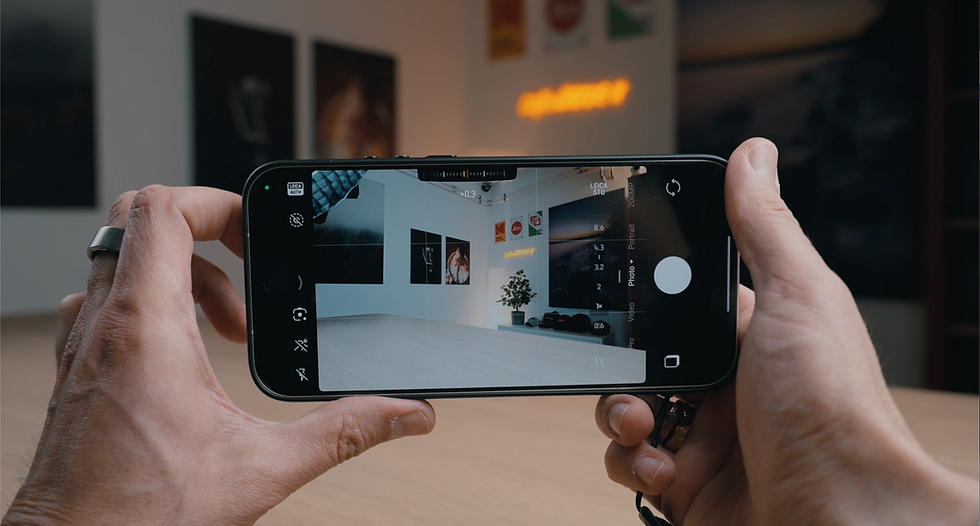
The new Leica phone is finally here—and yes, it’s a collaboration between Leica and Xiaomi. On paper, it looks like a dream for photographers: a large 1-inch sensor, Leica color science, and even a physical lens cap.
But does it actually deliver? And more importantly—can it replace a real camera?
Let’s break it down.

A Smartphone That Feels Like a Camera
The first thing that stands out is the design. This isn’t just another smartphone—it’s clearly built with photographers in mind.
You get:
A real lens cap (yes, seriously)
A tactile Leica ring for manual control
A premium build with subtle Leica details
It genuinely feels closer to a compact camera than a typical phone.

Camera Setup: Strong on Paper
This Leica phone comes with three cameras:
Main Camera
50 MP
1-inch sensor
23mm equivalent
f/1.6 with OIS
This is where the magic happens. A 1-inch sensor in a smartphone is a big deal and delivers impressive image quality.
Telephoto Camera
200 MP (multi-shot processing)
75–100mm equivalent
f/2.3–f/2.9 with OIS
The high resolution comes from computational processing (similar to multi-shot modes on Leica cameras). Results are solid—but not always natural at extreme zoom levels.
Ultra-Wide Camera
50 MP
14mm equivalent
f/2.2 (no OIS)
Smaller sensor, but still usable. As expected, this is the weakest of the three.

Leica Features That Actually Matter
This is where things get interesting.
Leica Looks & Filters
You get:
Leica Authentic and Leica Vibrant profiles
Around 30 Leica filters (including those from the Leica ecosystem)
The black & white high contrast mode stands out—it’s one of the most compelling looks on this phone.
Leica Ring Control
The physical ring lets you adjust:
Exposure compensation
Focal length
Focus
Filters
And it gives haptic feedback, which makes the experience surprisingly enjoyable.

Pro Mode & RAW Shooting
For photographers, this is essential.
Full manual control (exposure triangle)
RAW shooting (DNG)
Note: RAW is limited to 12.5 MP, while JPEG goes up to 50 MP
It’s a compromise—but still very usable.
The Leica M9 Mode: A Hidden Gem
One of the most interesting features is the Leica M9-inspired mode.
If you know the M9, you know:
CCD sensor look
Unique colors (especially reds, greens, blues)
This mode recreates that feel surprisingly well—without the drawbacks like sensor corrosion.
Honestly, this alone could be a reason to use this phone.

The Role of AI (and Why You Might Want It Off)
The phone offers up to 120x digital zoom, heavily relying on AI.
Up to ~8.6x: acceptable
Beyond that: quality drops fast
AI can:
Smooth details
Invent information
If you care about photographic integrity, you’ll probably want to disable it—which thankfully is possible.
Content Authenticity Initiative (A Big Plus)
The phone includes Content Authenticity Initiative (CAI) support.
This allows you to:
Verify if an image was altered
Track edits and authenticity
For journalists or professionals, this is a very strong feature—and still rare in smartphones.

Accessories & Experience
Leica didn’t cut corners here. Inside the box:
Protective case with Leica ring
Lens cap
Strap (very useful in real life)
Pre-installed screen protector
Microfiber cloth
Small details—but they add up to a premium experience.

The Downsides
No product is perfect—and this one has a few important drawbacks.
No microSD Card Slot
You’re limited to internal storage (1TB). That’s plenty—but not flexible.
File Transfer Issues (Mac Users Beware)
Transferring files to Mac requires third-party apps like MacDroid.Not ideal for a device focused on photography.
No External Shutter Grip
Unlike previous Xiaomi Ultra models, there’s no included camera grip.That’s a missed opportunity—it would improve usability significantly.
Artificial Aperture Effects
You can simulate lenses like Noctilux (f/0.95), but:
It’s purely digital
Lacks true optical rendering
No real depth transition or “3D pop”
This is where smartphones still fall short compared to real lenses.

So… Can It Replace a Leica Camera?
Short answer: No.
And it’s not even close.
You won’t get:
True optical rendering
Real depth transitions
The tactile shooting experience
But that’s not really the point.
Final Verdict
This Leica phone is not a replacement for a camera—it’s a very capable camera you always have in your pocket.
And that matters.
If you:
Like Android
Want better image quality than a typical phone
Appreciate Leica colors and ergonomics
Then this is a very compelling option.
For everything else? Your dedicated camera still wins.
The Real Question
The best camera is the one you have with you.
And this one? Might be one of the most interesting options available today.
Leica Ring Control


Commentaires