


Shooting my first wedding with the Leica SL3-S and Leica 28–70mm
- Cris Estalayo
- 2 sept. 2025
- 3 min de lecture

I just came back from shooting a wedding in Champéry, Switzerland, and for the very first time, I used the Leica SL3-S together with the recently released 28–70mm f/2.8 lens. I wanted to share my real-world experience shooting a full wedding with this combo.

The Setting: A Mountain Wedding
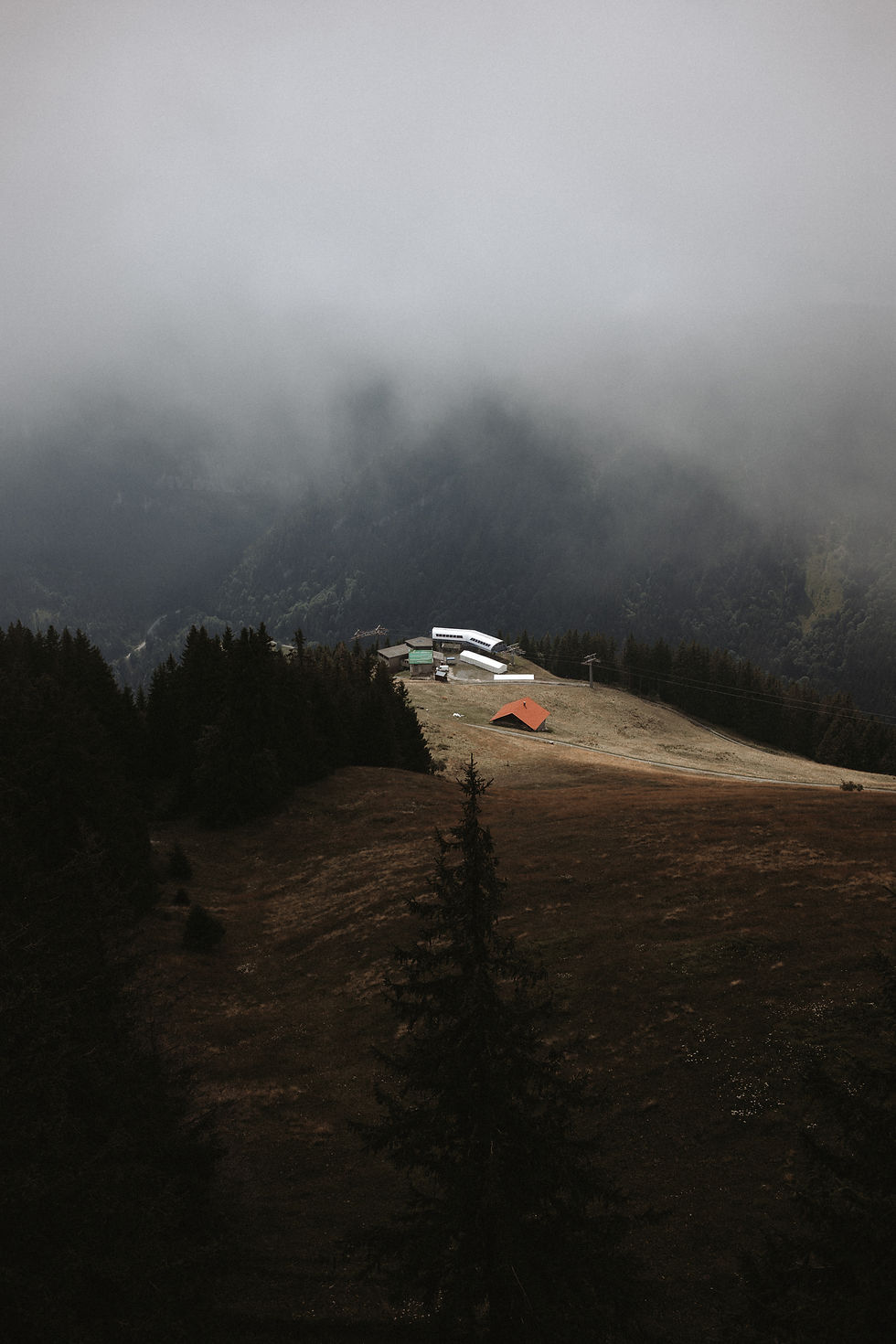
The wedding took place at nearly 2,000 meters altitude, in the heart of a ski resort. Just getting there was an adventure—first by car, then by cable cabin, and finally picked up by car again to reach the hotel. The bride and groom had rented out the entire hotel for the weekend, which also meant I stayed overnight since returning home after the event would’ve been impossible.
The 28–70mm Lens in Action
Alongside the Leica lens, I also carried a Samyang 35–150mm f/2–2.8, which proved handy for the ceremony when 70mm simply wasn’t enough reach.
Here are my main takeaways about the Leica 28–70mm compared to the 24–70mm:
Losing 4mm at the wide end matters more than you’d think. While I previously said I could live without 24mm, in a wedding context it’s a different story. When shooting bridal preparations, group shots, or decorations, I often found myself struggling to step back enough. At one point, I even had to ask people to move so I could fit everyone in the frame. With the 24–70mm, that rarely happened.
Weight makes a huge difference. The 28–70mm is about 300 grams lighter than the 24–70mm. Combined with the SL3-S body (itself about 70 grams lighter than the SL2-S), the difference of nearly 400 grams over the day was significant. After shooting from morning until midnight, my shoulders were grateful.
For wider shots of venues or ceremonies, I’d still recommend having something like a 14–24mm or 16–28mm in your kit. But as a main workhorse lens, the 28–70mm impressed me with its balance of weight and performance.
The SL3-S: First Wedding Experience
This was my first time shooting a wedding with the SL3-S body. I’ve used it for corporate work and events, but weddings are the real test.
Here’s what stood out:
Image Quality: Simply outstanding. The SL line continues to deliver stunning files that are a joy to work with.
Autofocus: The biggest upgrade over the SL2-S. With phase detection combined with contrast detection, the SL3-S locked on even in super low light. During the couple’s first dance, with only the DJ’s lights, I still nailed focus almost every time. With the SL2-S, focus hunting was more common.
Standby Button: I was skeptical about the new button replacing the on/off switch, but during the wedding it made sense. A quick press puts the camera in standby to save battery, and a half-press of the shutter brings it instantly back to life. It proved practical.
Battery Life: The new Q3-style battery has 20% more capacity (2200mAh), rated for about 315 shots per charge. Honestly, that’s not great compared to other systems. But with two batteries and a dual USB-C charger, I shot about 1,500 photos in the day without issue by swapping and charging throughout.
Dual Card Slots: Having both CFexpress and SD makes sense, especially if you’re shooting 6K video. My workflow was to keep a 512GB CFexpress card in permanently and use a 128GB SD card as a DNG backup. It’s simple, reliable, and ensures everything is always safe.

The Weight Factor
The SL3-S body is only 70 grams lighter than the SL2-S, but when combined with the 28–70mm (300 grams lighter than the 24–70mm), the total difference of around 400 grams was noticeable. Shooting from 9:30 in the morning until midnight, I could really feel how much more comfortable the lighter setup was.

Final Thoughts
Overall, I was very happy with the SL3-S + 28–70mm combo for this wedding. The lens’s weight savings and the SL3-S’s improved autofocus made a big difference over a long day of shooting. Yes, the battery life is not stellar, and yes, I missed having 24mm at times, but the trade-offs felt worth it.
If you’ve shot weddings with the SL3-S, I’d love to hear your thoughts. Drop a comment below, and until next time—keep creating and keep shooting.
Commentaires